
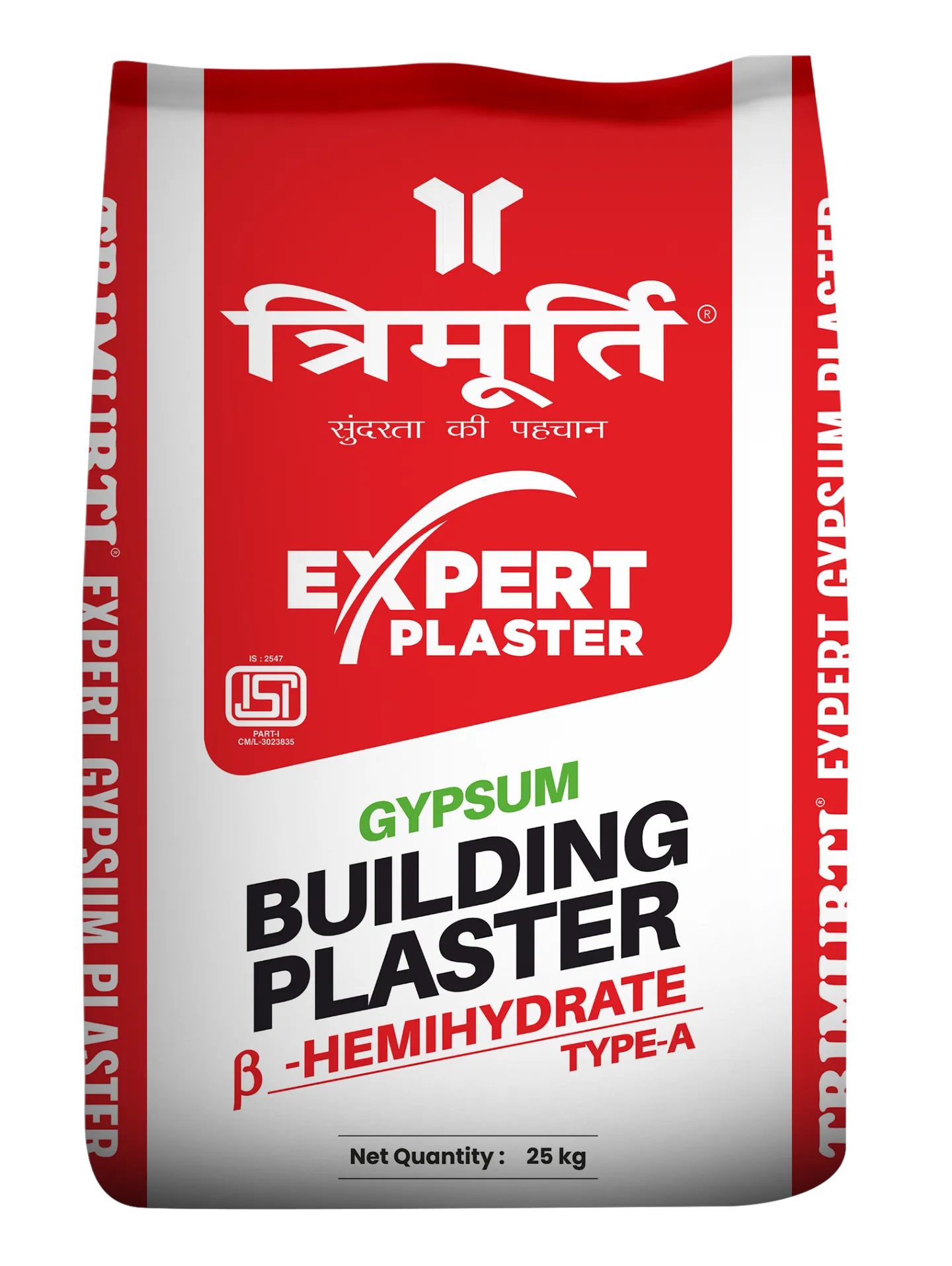
Contractors, builders, architects, and homeowners increasingly look beyond the initial purchase cost to understand how a material performs during application, finishing, and long-term use. Gypsum powder price is only one part of the equation when choosing materials for modern construction and interior finishing. This shift is particularly visible in wall preparation, where surface quality depends on the interaction between the base material, application method, and finishing products. As construction moves toward more efficient and refined solutions, material selection is becoming less about choosing the cheapest option and more about achieving dependable results without unnecessary waste.
Why Wall Finishing Has Become More Technical
A wall may appear simple once completed, but achieving a smooth and durable surface involves several stages. Uneven substrates, cracks, moisture exposure, poor adhesion, and inconsistent application can all affect the final appearance. These challenges have encouraged the construction industry to pay closer attention to materials used beneath the visible finish. Instead of treating wall preparation as a minor stage, professionals increasingly view it as an important part of overall project quality.
Gypsum-based materials are particularly relevant because they can support different construction and finishing requirements when selected and applied appropriately. Their use across interior applications has grown alongside demand for smoother surfaces and faster construction processes. However, the performance of any material depends on its formulation, intended application, surface conditions, and handling. Understanding these factors helps construction teams make decisions based on actual project requirements rather than relying on price alone.
Looking Beyond the Initial Material Cost
When comparing products, price naturally becomes an important consideration. However, the lowest purchase price does not automatically translate into the lowest overall project cost. Material wastage, additional preparation, application time, rework, and inconsistent finishing can all increase expenses after the initial purchase. This is why comparing gypsum powder price alongside practical performance can provide a more meaningful basis for material selection.
A more complete evaluation considers how much material is required, how easily it can be applied, what surface preparation is necessary, and whether the finished result meets the project's expectations. Contractors working across multiple projects may also consider supply consistency and product availability because delays can affect labour schedules and completion timelines. In this context, material economics becomes broader than the number printed on a quotation; it becomes a question of efficiency, reliability, and total project requirements.
The Importance of Choosing the Right Manufacturer
Construction materials are expected to perform consistently across different applications, making the manufacturer an important part of the selection process. Buyers may compare product specifications, quality standards, packaging, technical information, and supply capabilities before placing an order. Consistency matters particularly for professionals handling multiple projects, because variations in material behaviour can affect application and finishing outcomes.
Working with an established gypsum manufacturer in India can also provide access to products developed for the requirements of the local construction market. India's construction sector includes a wide variety of climates, building types, project scales, and application conditions, which makes product suitability an important consideration. Rather than choosing solely on brand familiarity or price, project teams can assess whether the manufacturer's products, technical support, distribution network, and quality processes align with the demands of their work.
Why Surface Preparation Shapes the Final Result
Even a high-quality finishing product cannot compensate completely for poor surface preparation. Dust, loose particles, uneven areas, excessive moisture, or unsuitable substrates can interfere with adhesion and create problems later. Preparing the surface correctly therefore forms an important foundation for any finishing system. The process may vary depending on whether the wall is new, previously painted, repaired, or exposed to particular environmental conditions.
This is also where compatibility between different construction materials becomes important. Products used during wall preparation and finishing should be selected as part of a broader system rather than viewed as completely independent components. A well-prepared substrate provides a more suitable base for subsequent applications, helping professionals achieve a consistent appearance. Paying attention to preparation at the beginning can also reduce the likelihood of avoidable corrections later in the project.
From Functional Walls to Refined Interiors
Today's interior spaces increasingly demand more than basic structural performance. Residential properties, offices, retail environments, hospitality spaces, and commercial developments often place strong emphasis on smooth, visually consistent walls. This has increased the importance of products that support high-quality finishing while fitting into practical construction schedules.
Modern wall-care solutions are therefore becoming part of a larger conversation around interior quality. A smooth surface can provide a better foundation for paint, decorative finishes, and other treatments, while consistent application can help create a more uniform appearance across large areas. For builders and contractors, this makes material selection closely connected to the visual expectations of the finished space. The wall may eventually disappear beneath paint or décor, but the quality of its preparation remains visible through the final result.
Where Specialist Wall Products Add Value
Different stages of construction can require different material characteristics. A product intended for one application may not necessarily be suitable for another, which is why professionals often maintain a portfolio of materials rather than relying on one universal solution. This approach allows contractors to match products more closely to the substrate, environment, finishing requirement, and project timeline.
This is where Trimurti expert wall putty can fit into a broader wall-finishing strategy, particularly where smooth surface preparation is an important part of the project. Wall putty is commonly used to create a more even surface before painting, helping address minor imperfections and provide a suitable base for decorative finishes. The exact preparation and application process should always follow the manufacturer's recommendations, because surface conditions and product specifications can influence the final result.
Efficiency Matters Across Large Projects
For individual home renovations, a small amount of material wastage may seem insignificant. Across apartments, commercial buildings, offices, or large construction projects, however, small inefficiencies can multiply quickly. Material selection therefore has implications beyond individual walls. Application speed, packaging, storage, consistency, and ease of handling can all affect project productivity.
This is one reason construction professionals increasingly evaluate materials through the lens of total workflow. A product that integrates smoothly into the existing process can help reduce unnecessary interruptions, while reliable supply can make planning easier. These factors do not eliminate the importance of gypsum powder price, but they place price within a larger framework that includes labour, wastage, project timelines, and finishing requirements.
Building a More Considered Material Strategy
The evolution of wall systems reflects a broader change in construction thinking. Materials are no longer evaluated only by whether they perform a basic function. Professionals are increasingly interested in how products contribute to the entire project—from preparation and application to appearance, efficiency, and long-term maintenance. This encourages a more systematic approach to selecting construction materials.
For builders and contractors, that means understanding the specific needs of every project before choosing a product. For homeowners, it means asking questions about material quality, application, compatibility, and expected finish instead of focusing exclusively on the purchase price. A better wall is rarely the result of one product alone; it comes from selecting compatible materials and applying them correctly at every stage.
A Better Finish Starts Before the Paint
The finished wall is ultimately the result of decisions made long before the final coat of paint is applied. From selecting a dependable gypsum manufacturer in India to evaluating surface preparation and wall-care requirements, each stage contributes to the quality of the final space. Understanding the relationship between cost, material performance, application, and finishing can help projects achieve better consistency without unnecessary complications.
Trimurti Products supports this approach with construction and wall-care solutions designed for different stages of building and finishing work. For professionals evaluating gypsum and wall-finishing materials, the focus can extend beyond the immediate quotation toward product suitability, application requirements, consistency, and overall project efficiency. In a construction environment where both performance and appearance matter, thoughtful material selection can become one of the most practical ways to improve the finished result.